


Key takeaways
- App stores and paid ads are only two of several ways to find new subscribers, and both are getting more expensive.
- Partner bundling packages your subscription inside a product your target customers already trust and pay for, like a mobile plan or bank account.
- Affiliate programs, marketplaces, co-marketing and organic growth are other channels worth weighing.
- The right channel mix depends on your market, your customers’ habits and how much control you want to keep – and are willing to give away.
Why look beyond app stores and paid ads for growthApp stores and paid ads serve two important purposes for subscription businesses: app stores get you in front of people already searching for a solution, paid ads get you in front of those who aren’t. But locking into these two routes for customer acquisition creates problems. Costs for both are rising every year, and they place a third party in charge of parts of your growth. App stores set the rules on discovery, pricing and payments. Ad platforms auction access to new customers, at a price that climbs as more businesses compete for the same attention. They will both continue to matter – the risk is in building your entire growth plan on two channels you don’t control. The acquisition channels available to subscription businesses right nowSubscription businesses have several routes to acquire new customers in 2026 beyond these two:
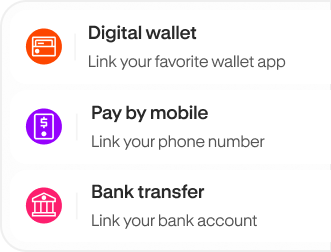
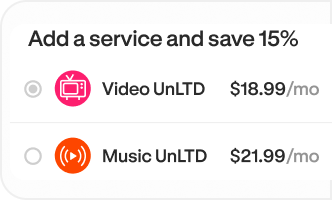
Bundling: packaging your subscription with services your target customers already useBundling packages your subscription with services a customer already buys, like a mobile plan, a streaming service or cloud storage. The partner (a telco, a bank, a digital wallet or a retailer) offers your subscription to its own customers. Those customers already trust the partner and pay them every month, so your service becomes an additional line on their usual monthly bill. Inside a mobile carrier’s app, it can be as simple as a toggle: ‘add streaming’, and it’s live. No new card submission. No separate login. The partner usually aligns with the product. A mobile-first subscription pairs naturally with a telco bundle, while a higher-ticket subscription can suit a bank’s premium tier, where customers are used to paying for added extras. Read our blog on bundling as a growth channel for more. What to weigh before you choose an acquisition channel
Where subscription growth is headingMore subscription businesses are treating partner-led channels as a genuine growth lever, not a side experiment. Boku helped launch 63 subscription bundles in 2025 alone, bringing in more than 16 million new subscribers between them. The businesses seeing the biggest gains build a mix of channels, and bundling is becoming one of the fastest ways to add a new one without starting from scratch every time. |
FAQs
| What counts as an alternative acquisition channel? Any way of reaching new subscribers that doesn’t rely on app store search or paid ads: partner bundling, affiliate and referral programs, marketplaces, co-marketing deals, organic or community-led growth. Most subscription businesses use a mix rather than relying on just one. Is bundling the same as an affiliate deal? Not quite. An affiliate deal usually pays a fee per referral, with the affiliate playing no ongoing part in the relationship. Bundling packages your subscription directly inside a partner’s own product (like a mobile plan or a bank account), so it’s billed alongside something the customer already pays for every month. Do alternative channels replace paid ads and app stores? No, they add to them. Most subscription businesses keep paid ads and app store presence running alongside partner-led channels. The goal is a mix that doesn’t depend on any single channel, so a change in ad costs or app store rules doesn’t put your whole growth plan at risk. How fast can a subscription business launch a new acquisition channel? It depends on the channel. A single partner bundle can go live in a matter of weeks once terms are agreed. Building an affiliate network or a marketplace presence usually takes longer, since it relies on volume and trust building up over time. Does bundling mean giving up control of pricing or branding? Not by default. You choose which partners to work with, what the offer looks like and how it’s priced. The trade-off is that your partner’s own readiness and timelines still affect exactly when you go live in a given market. Which channel works best for reaching customers in new international markets? It varies by market. In regions where mobile payments are more common than credit cards, a telco or wallet bundle often reaches people that paid ads alone can’t convert. In markets with high card penetration, affiliate or co-marketing deals may work just as well. |