

| If your subscriber growth has slowed, your next million customers probably sit outside the audience you reach today. Look at markets where few people pay by card, and at customers of brands they already trust. Partners such as telcos, banks and retailers can put you in front of them. |
Why subscriber growth slows after the first waveIf most of your early growth came through search, app stores and paid ads, you’ll eventually hit a peak – every time you go to market, you’ll attract fewer subscribers for each extra dollar spent, because you’re reaching the same people again. When this happens, your next million are likely to be in places your current channels don’t reach. Where your next million subscribers areTwo groups stand out:
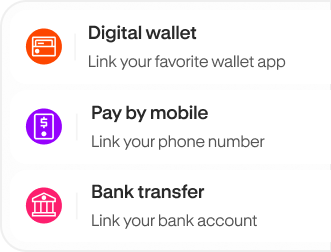
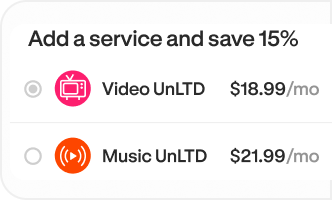
The mobile audience alone is huge. The World Bank’s Global Findex 2025 found that 84% of adults in low- and middle-income economies own a mobile phone, and three billion own a smartphone. This second group already buys in this way. In a 2024 Deloitte UK survey, close to half of smaller streaming services’ subscriptions were sold through another company, such as a telco, a pay TV provider or a tech platform. How partners put you in front of new usersBundling reaches both groups. A partner (a telco, a bank, a digital wallet or a retailer) offers your subscription to its own customers who then sign up inside the partner’s app and pay on their usual bill. There’s no new card to enter, and they’re buying through a brand they trust. The type of partner best suited to you depends on who you want to reach. To learn more about how bundling can be used as a growth channel, see our explainer blog here. How to size the bundling opportunityBefore you commit, get a rough sense of the potential prize. For each partner or market, ask:
As a simplified example (not a benchmark), a partner with 10 million customers where 2% sign up adds 200,000 subscribers. Five partner audiences of this size, with no overlap and the same sign-up rate, would add a million. How to tell if an audience is worth pursuingA big number isn’t enough on its own. Before you shortlist a partner audience, check four things:
Audiences that pass all four are the ones worth sizing properly. Once you’re adding several partners, reusing a single setup keeps each launch simpler, and building a lower-cost growth engine explains how. Boku supported 49 million active bundled subscribers in 2025, up 26% on the year before. Read our explainer blog for the detail. |
FAQs
| Why does subscriber growth slow down? Causes vary, but one common reason is that your channels run out of new people to reach. If most of your growth has come from search, app stores and paid ads, spending more there can reach much of the same audience again. When each extra dollar brings in fewer new people, growth has to come from audiences those channels don’t reach. How long does it take to reach new subscribers through a partner? Longer than switching on an ad campaign. Agreeing terms and getting a bundle live with a new partner usually takes a few months. Sign-ups then build as the partner promotes the offer to its customers, so plan partner launches a quarter or two ahead of when you need the growth. How do partners help a subscription business reach new markets? A partner that already has customers in a market (a local telco, bank or retailer) can offer your service to them once the bundle is live, billed the way they’re used to. You avoid building an audience from scratch, and you gain the partner’s local knowledge of pricing and promotions in that market. How many partners does it take to reach a million subscribers? It depends on the size of each partner’s customer base, how many of those customers sign up and how much the audiences overlap. In a simplified example, a partner with 10 million customers where 2% sign up adds 200,000 subscribers. Five partner audiences of that size, with no overlap and the same sign-up rate, would add a million. Do you need a lower price to reach new audiences? Not always. Some markets need a local price that fits what people there pay for similar services. Partners can also help with promotions, such as a free trial or a discount for their customers. The right price depends on local knowledge, so it’s worth agreeing it with each partner before launch. |
Key takeaways
|