


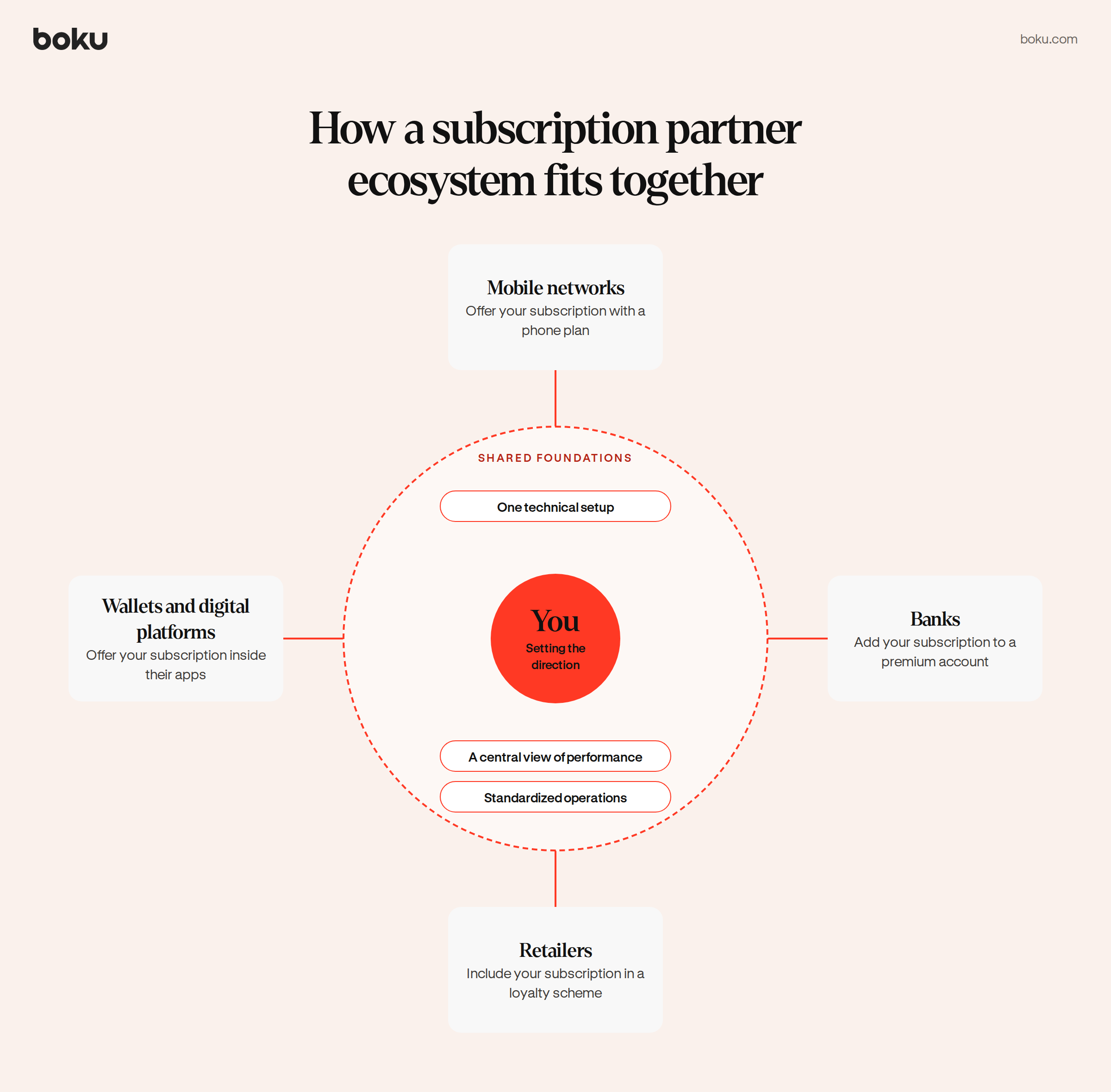
A subscription partner ecosystem is a group of partners that can help you reach, sign up and keep subscribers (like mobile networks, banks, retailers and digital platforms), that are run as a connected system. If every partner shares the same setup, reporting and operational processes, each new one is quicker to add.
What is a partner ecosystem for a subscription business?
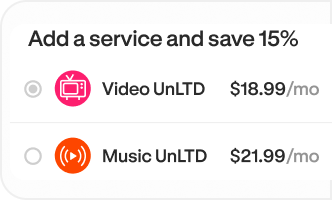
A partner ecosystem is a group of businesses that can introduce new subscribers to you, through their own customer relationships (like a phone plan, a bank account or a loyalty scheme.) Each of these is a form of bundling.
Each is a door to customers that already trust them – and by association, trust their recommendations.
What roles do partners play in a subscription partner ecosystem?
Different partners can bring different strengths to your channel mix.
- Reach: partners with big, engaged customer bases put your service in front of people you might otherwise struggle to find.
- Trust: people are more comfortable signing up through a brand they’ve used for years than through an ad from an unknown company.
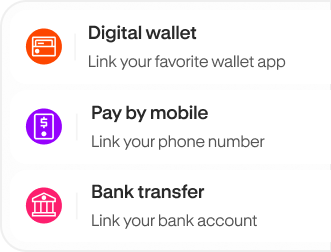
- Easy payment: some partners add your subscription to a bill the customer already pays every month. No need to add a new card or a new contract.
- Local knowledge: partners in new local markets know how people there find, buy and pay for services, and which promotions work.
What should partners in a subscription ecosystem share?
Anything you’d otherwise rebuild for every new partner. Their audiences and offers can vary, but the work behind them should stay the same:
- One technical setup. You connect once and reuse the connection for every partner, so there’s no need to build a new integration each time.
- A central view of performance. Results from every partner arrive in the same format, so you can easily compare the ROI of each, as you would with other channels.
- Standardized operations. Signing up, renewing and canceling should work in the same way with every partner.
Without these shared foundations, each new partner can bring its own build, its own reports and its own way of working – so your workload grows with your partner list. (Read our blog, Why scaling subscription bundling partnerships is hard for more.)
Why each new partner becomes easier to add
Each new partner that you launch provides lessons for the next about what works, and requires less effort to set up.
These lessons can include the price points that convert and the offers that are most likely to retain subscribers. (Read more on this in our blog ‘How subscription businesses use data to manage and grow bundling partnerships’.)
The work shrinks too. Launches through Boku average around four months, compared with around six for a direct integration. That frees you to run several at once (merchants on Boku’s platform average 8+ new partner launches in parallel).
Who controls a partner ecosystem
Whoever sits at the center of the ecosystem decides which partners, markets and launch dates it follows.
In some models, a partner or platform leads, choosing which services to offer and when to launch them. In others, you lead.
When you’re at the center, you choose your partners, markets and the timing that match your growth plan. You also keep a direct relationship with each partner, so you can build more value into it over time.
If partners are a core part of how you plan to grow, it’s worth starting out keeping those decisions with you.
How to start building your partner ecosystem
- Start from your growth goals. Pick the markets and customer groups you want to reach first. They tell you which partner roles matter most.
- Treat your first partner as the foundation. Set it up in a way you can reuse, so partner two doesn’t mean starting again.
- Agree how you’ll measure success before you launch. Use the same measures for every partner so the comparisons stay fair.
- Add partners in parallel. Once the foundation’s in place, you can launch several partners at once instead of queueing them.
- Review the mix regularly. Put more behind the partners that perform, and adjust or pause the ones that don’t.
Partners bring you the customers. How well you connect them decides how far you can grow.
FAQs
What’s the difference between a partnership and a partner ecosystem?
A partnership is one deal with one partner. An ecosystem is a full set of partners working on shared foundations (one technical setup, one way of reporting and one set of processes). Separate partnerships can add work with every new deal. An ecosystem makes each new partner easier to add.
Is a partner ecosystem the same as subscription bundling?
Bundling means packaging your subscription with a partner’s product, like a phone plan, a bank account or a loyalty scheme. A partner ecosystem is the full set of those partners, plus the setup, reporting and operations they share. Each bundle is one partnership, and the ecosystem is how you run them all together.
What types of partners can be part of a subscription partner ecosystem?
Any business with a large customer base and a good reason to offer your service. Mobile networks, banks, retailers, digital wallets and other digital platforms are common examples. The right mix depends on who your customers are, where you want to grow and how people in each market prefer to pay.
How many partners do you need to have an ecosystem?
Any number works, so long as your partners run on shared foundations. Two partners on one reusable setup behave like an ecosystem. Ten partners with ten custom builds and ten separate reports behave like ten separate projects. Start with a foundation you can reuse, then grow from there.
Do you lose control of your brand or pricing in a partner ecosystem?
It depends on who sits at the center. When you lead, you choose the partners, markets, offers and pricing, and you keep a direct relationship with each partner. In models where a partner or platform leads, some of those decisions move to them. Decide early which model fits your growth plan.
How long does it take to add a new partner to an ecosystem?
It varies by partner and market. Launches through Boku take around four months on average, compared with around six months for a direct integration. Because the setup is reused, several partners can launch in parallel, so your ecosystem can grow in steps instead of one partner at a time.
How do you know which partners are working?
Compare every partner on the same measures, like sign-ups and how many people remain subscribed. This is far easier when all partner results come through in one standard report. You can then put more behind the partners that perform and adjust offers where results are weaker.
Key takeaways
- A subscription partner ecosystem is a set of companies that offer your subscription to their own customers, run so that every partner you add makes the whole network more valuable.
- Partners can play four roles (reach, trust, easy payment and local knowledge), so aim for a mix that covers all four.
- Partners should share anything you’d otherwise rebuild for each new one: one technical setup, a central view of performance and standardized operations.
- Each launch leaves behind lessons and less work for the next one, so partners get quicker to add as your ecosystem grows.
- Whoever sits at the center decides which partners, markets and launch dates the ecosystem follows. If partners are core to your growth, keep those decisions with you.